








Understanding the Mind-Body Connection
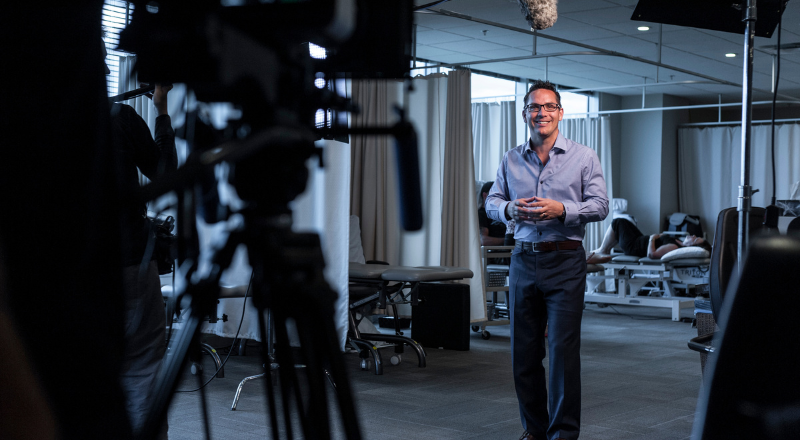
As the host of Life Shouldn’t Hurt, I constantly remind our listeners across Canada that our bodies and minds do not live in separate postal codes. We all experience bad days—the kind where rolling a saucy meatball down your pants at 6:00 a.m. sets off a downward spiral. But there is a profound difference between a rough day and the heavy, ongoing weight of major depressive disorder, an illness that nearly 21% of adults—one in five of us—will navigate in their lifetime.
Jason Olsen: 11 Years Navigating Clinical Depression
In this episode, I sit down for an unfiltered, deeply moving conversation with Jason Olsen, founder of the Olsen Foundation for Mental Health. Jason spent 11 long years—from his late teens into young adulthood—living in the darkness of clinical depression. He candidly shares what severe depression actually feels like in the body: not just sadness, but an internal void, a total absence of intrinsic motivation, weight gain, medication side effects, and the crushing dread of facing another day.
What makes Jason’s story so deeply inspiring is not just that he survived rock bottom, but how he built his life back from the ground up through actionable, everyday wisdom. If you or someone you love is navigating mental health challenges,this conversation offers grounded, practical insights you can apply right away.
Key Lessons for Sustainable Mental Health Recovery
Break Free from “All-or-Nothing” Perfectionism
Jason reflects on how trying to overhaul your entire life overnight—getting the perfect diet, workout, sleep, and routine from Day 1—inevitably leads to burnout. Real, lasting recovery begins with simple, sustainable adjustments.
Anchor Yourself in Small Daily Habits
Recovery isn’t a dramatic movie montage; it is built on tiny details. Jason started with small lifestyle changes—focusing on sleep (7.5 to 8 hours), light walking, meditation, and nutrition—before layering in physical activity.
Find a Purpose-Driven Outlet
For Jason, stepping into a boxing gym provided structure, community, and an anchor when purpose had checked out. Wrapping his hands, focusing on basic footwork, breathing, and showing up gave him a reason to start tightening the bolts on his life again.
Overcome Pride and Stigma
We discuss why men so often view getting help as a sign of weakness rather than treating an illness. Jason shares how overcoming pride and allowing his support system to step in saved his life.
How to Be a Safe Space for Others
For families and friends watching a loved one struggle, Jason reminds us that you don’t need to fix everything or offer endless advice. The most powerful thing you can do is simply be there,hold space, and maintain unwavering trust.
Crisis Support:
If you or someone you care about in Canada is struggling or in crisis, help is available. Call or text 988to reach the 988 Suicide Crisis Helpline (available 24/7, toll-free).
A Message of Hope and Connection
Jason’s journey is proof that even after a decade in the dark, there is hope and a path forward. Today, he is turning his hardest years into a force for good by funding programs for young men fighting mental illness and addiction. I invite you to listen to this episode with an open heart. Whether you are seeking a spark of hope for yourself or guidance on how to support a friend, this conversation will remind you that you are never alone.
If this episode touches your heart, please follow and subscribe to Life Shouldn’t Hurt on Spotify, Apple Podcasts, or your favorite podcast app so you never miss an episode. ?
Note: If you or a loved one in Canada are in immediate distress or crisis, please reach out to the 988 Suicide Crisis Helpline by calling or texting 988.
I hope this conversation empowers you in some way. If you believe in these stories and want to help us turn this ripple into a wave of difference across Canada, please like, follow, and share Life Shouldn’t Hurt with your friends and family. Your support helps us spread this vital message. Support the show
This content is for informational purposes only and is not a substitute for professional medical advice. Always consult a qualified healthcare provider regarding any medical concerns.