











I’m Grant Fedoruk, host of Life Shouldn’t Hurt, and I want to share a story that will completely transform how you look at joint pain, surgery, and recovery.
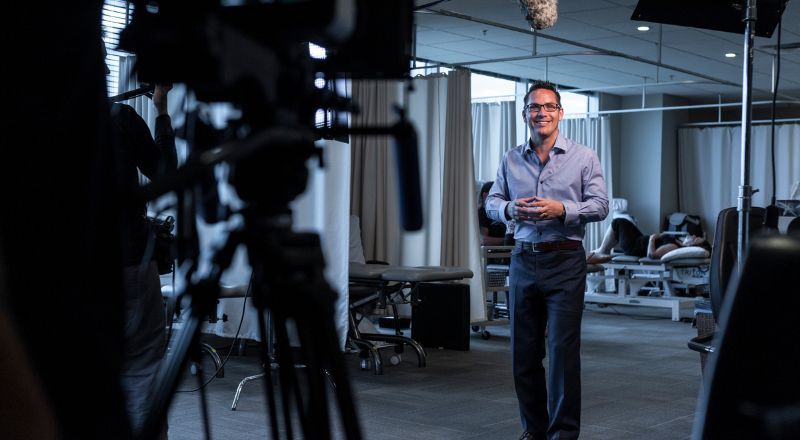
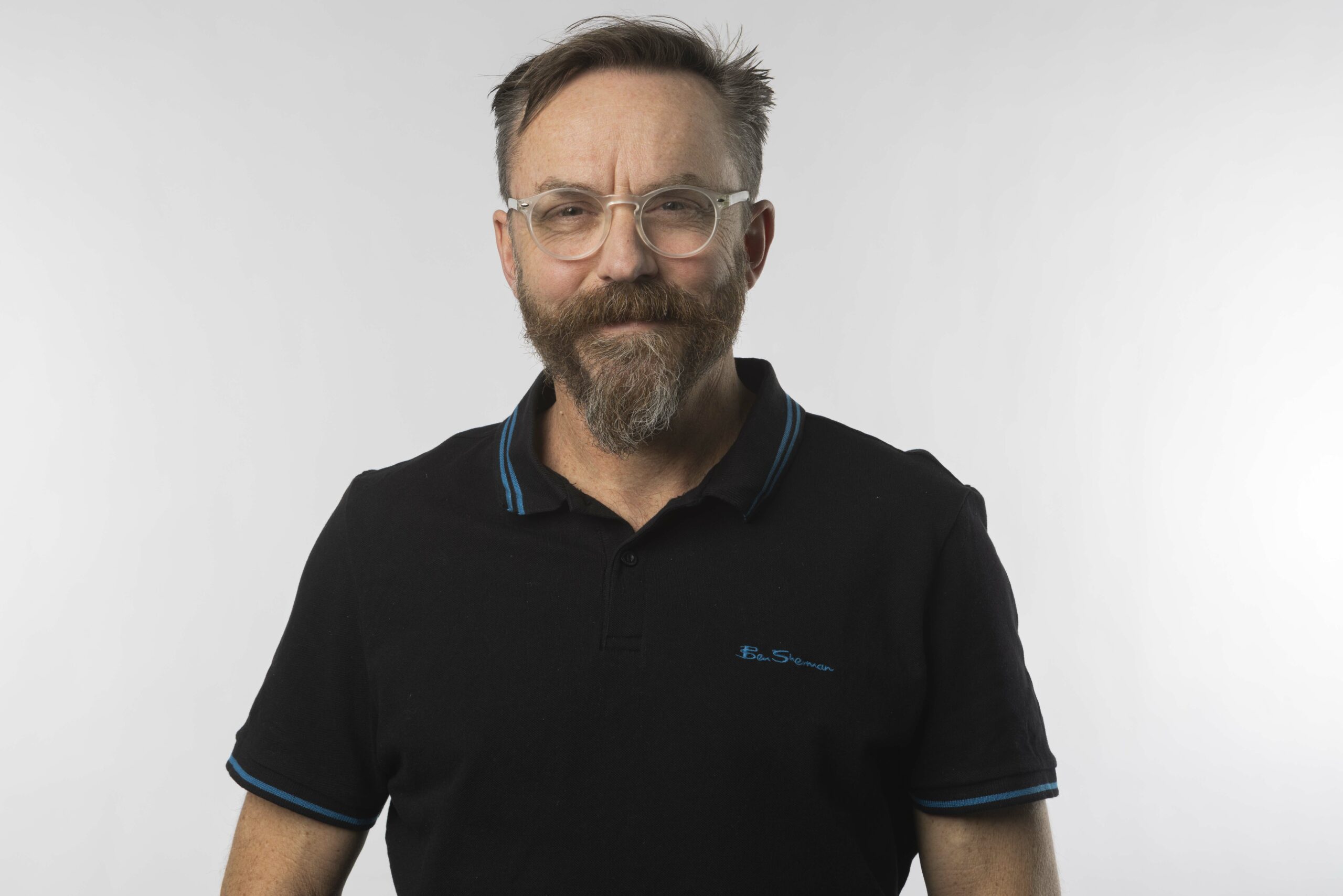
In this episode, I’m joined by my colleague Rob Colling, a leading physiotherapist at Leading Edge Physiotherapy in Calgary. Rob isn’t just an expert on joint rehabilitation—he’s someone who lived through severe hip osteoarthritis himself. As a former elite Australian sprinter and Aussie rules football player, Rob spent decades running fast and turning left on the track. But after moving to Canada and slipping on ice, a nagging hip ache slowly escalated into severe osteoarthritis.
What makes Rob’s story so deeply relatable is his vulnerability. Even as a professional who treats joint issues every day, his first reaction to hip pain was classic denial—hoping it was just a tendon strain or capsule pinch. It wasn’t until he found himself unable to put on his shoes and socks without backing into a chair that he knew he had to face the reality of surgery.

Key Takeaways and Actionable Wisdom
1. Understanding Hip Osteoarthritis
Hip OA affects 1 in 10 adults over 45, and former athletes face up to 3 times higher risk. The condition erodes smooth joint cartilage until movement feels like shag carpet or velcro with rocks.
2. The Power of Prehab
Before stepping into the operating room, Rob treated his preparation like an Olympic event. Maintaining fitness and strength before surgery—especially in the hip abductors, which can lose up to 40% of their strength—is proven to deliver significantly better functional outcomes 3 and 6 months post-surgery.
3. Innovations in Weightless Exercise
We explore groundbreaking technology like the AlterG Zero-Gravity Treadmill. Originating from NASA technology, it uses positive air pressure to unweight up to 80% of your body weight. This allows you to walk or run naturally without painful joint impact, hydrating the joint and building crucial muscle strength. For those without access to an AlterG, getting into a pool provides similar buoyancy and hydrostatic benefits to reduce swelling and pain.
4. Facing Post-Op Reality and Vulnerability
When Rob woke up from surgery, the chronic joint pain was instantly gone. However, the intense surgical fatigue caught him completely off guard. He had to learn to give himself grace, accept rest, and lean on his support network.
5. Listening to Your Body
In a startling moment of insight, Rob shares how he almost overlooked a dangerous post-surgery complication—a pulmonary embolism (PE)—despite knowing the medical signs. His story is a powerful reminder that we must stay vigilant, communicate symptoms to our care team, and trust those around us during healing.
6. Reclaiming an Active Life
Today, Rob is back to snowboarding, playing touch rugby, cycling, and kicking a soccer ball with his kids. Hip replacements rank in the top 5 surgical procedures for improving quality of life, with over 95% lasting 15 to 20+ years.
If you or someone you love is dealing with chronic hip discomfort, navigating joint replacement options, or simply trying to stay active through pain, this conversation offers the hope, clarity, and practical tools you need. Movement matters, early intervention matters, and you don’t have to live in pain.
I hope this conversation empowers you in some way. If you believe in these stories and want to help us turn this ripple into a wave of difference across Canada, please like, follow, and share Life Shouldn’t Hurt with your friends and family. Your support helps us spread this vital message. Support the show
This content is for informational purposes only and is not a substitute for professional medical advice. Always consult a qualified healthcare provider regarding any medical concerns.